
The ultimate guide to climbing Yosemite’s legendary granite walls, discovering unforgettable outdoor adventures, and planning a trip to one of America’s most spectacular national parks.
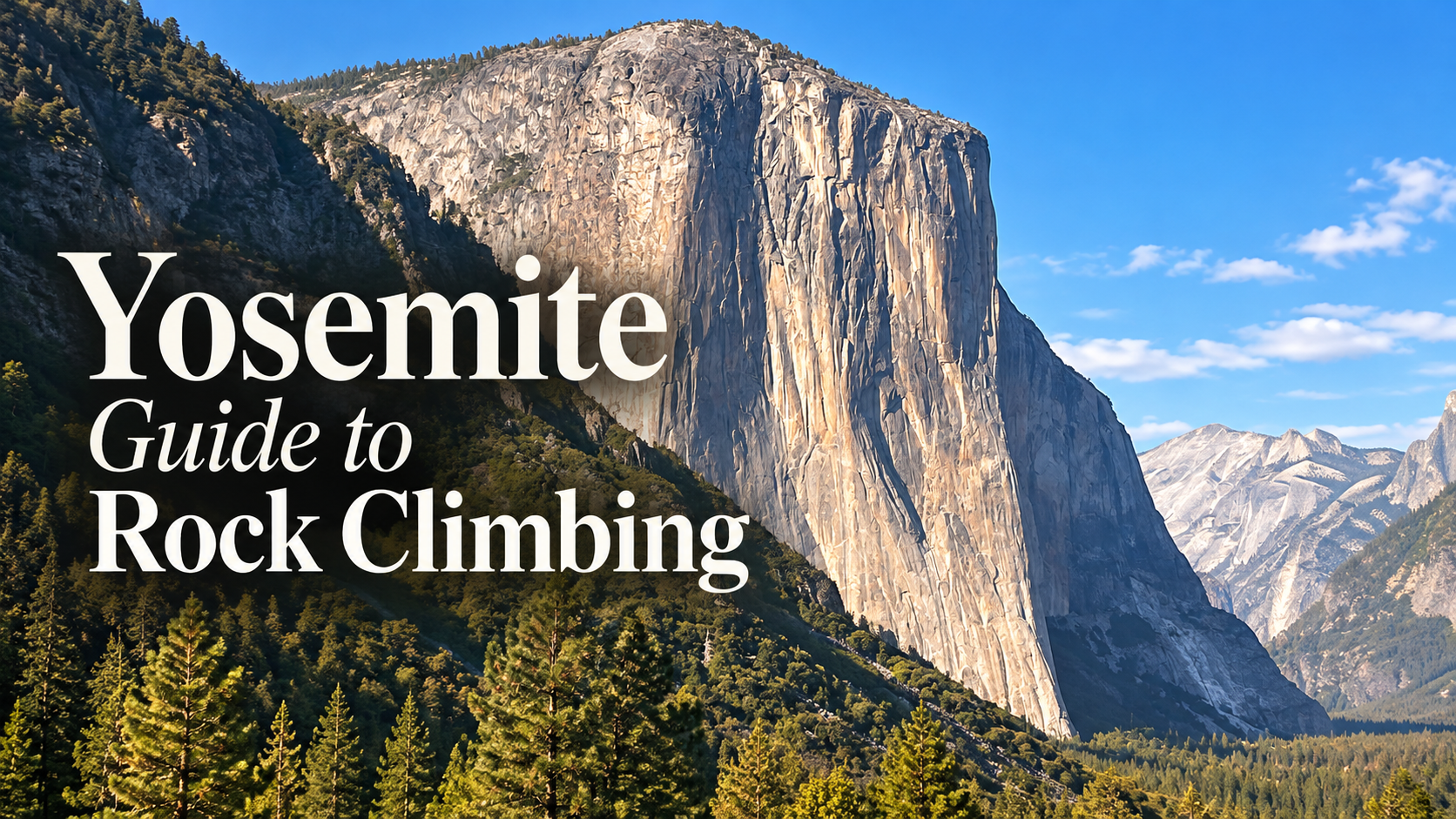
There is something extraordinary about arriving in Yosemite Valley for the first time. The road winds between towering pine trees, the granite walls rise higher with every turn, and suddenly El Capitan appears ahead, a massive wall of stone stretching nearly 3,000 feet above the valley floor. It is one of those unforgettable travel moments when photographs simply cannot prepare you for the real thing.
For rock climbers, Yosemite National Park in California is more than a beautiful destination. It is one of the most celebrated climbing areas in the world, a place where modern big-wall climbing took shape and where generations of adventurers have tested themselves against enormous granite cliffs.
But you do not need to be an expert climber to appreciate Yosemite’s legendary climbing culture. Whether you’re planning your first outdoor rock climbing experience, hoping to tackle a classic multi-pitch route, or simply want to stand beneath El Capitan and learn the stories behind its remarkable ascents, Yosemite offers something truly special.
This Yosemite rock climbing travel guide covers the best climbing areas, popular routes, when to visit, where to stay, essential equipment, park regulations, and memorable experiences to add to your itinerary.
Affiliate disclosure: This guide contains affiliate links to selected equipment and travel experiences. We may earn a commission from qualifying purchases or bookings at no additional cost to you. As an Amazon Associate, we earn from qualifying purchases.
Why Yosemite Is One of the Best Rock Climbing Destinations in the World
Yosemite’s reputation as a world-class climbing destination begins with its granite. Millions of years of geological activity, uplift, and glacial erosion helped create the dramatic cliffs, steep faces, polished slabs, and long cracks that climbers travel across the world to experience.
Much of Yosemite’s climbing history centers around Yosemite Valley, where formations such as El Capitan, Half Dome, Sentinel Rock, and Cathedral Rocks have become internationally recognized landmarks. These enormous walls offer everything from short technical climbs to challenging multi-day expeditions.
Yosemite is particularly famous for traditional climbing, often called trad climbing, where climbers place removable protective equipment into cracks as they ascend. The park is also renowned for crack climbing, which involves using fingers, hands, fists, and sometimes the entire body to move upward through natural openings in the granite.
What makes climbing here so memorable is the setting. One moment you’re concentrating on a granite crack, and the next you’re looking across a valley filled with pine forests, waterfalls, and towering cliffs. Yosemite turns a climbing trip into a spectacular wilderness adventure.
Best Time to Go Rock Climbing in Yosemite
Timing can make an enormous difference to your Yosemite climbing experience. Although climbing is possible throughout much of the year when conditions permit, spring and fall generally offer the most comfortable temperatures in Yosemite Valley.
Spring Climbing: April Through May
Spring is one of the most beautiful times to visit Yosemite. Snowmelt feeds the waterfalls, wildflowers begin appearing at lower elevations, and the valley turns a brilliant shade of green. Yosemite Falls and Bridalveil Fall can be especially impressive during this time of year.
Temperatures are often comfortable for climbing, particularly on sunny granite walls. However, spring storms, wet cracks, and lingering snow can affect certain routes and approaches. Climbers should remain flexible and carry layers for rapidly changing conditions.
Summer Climbing: June Through August
Summer brings long daylight hours and generally dry weather, but temperatures in Yosemite Valley can become extremely hot. Climbing exposed granite walls in direct afternoon sunshine can be uncomfortable and potentially dangerous.
Experienced climbers often begin very early, choose shaded routes, or travel into Yosemite’s higher-elevation climbing areas.
This is when Tuolumne Meadows becomes particularly appealing. Located along Tioga Road, the high country offers cooler temperatures, beautiful alpine scenery, and excellent granite climbing. Access depends on seasonal road openings and snow conditions.
Fall Climbing: September Through October
Fall is often considered the best season for Yosemite Valley rock climbing. The summer heat begins to ease, the granite is frequently dry, and cooler temperatures create excellent conditions for longer routes.
September and October are especially popular among climbers attempting El Capitan and other major walls. With favorable conditions also come crowds, so popular routes can become busy.
Winter Climbing: November Through March
Winter transforms Yosemite into a quieter, sometimes snow-covered landscape. Climbing may still be possible on warm, dry days, particularly on sunny Valley walls, but conditions are unpredictable.
Snow, ice, rockfall hazards, winter storms, and road restrictions may limit access. For visitors who love Yosemite’s scenery but prefer to stay off technical climbing routes, winter can also be a beautiful season for guided sightseeing, snowshoeing, and photography.
Best Rock Climbing Areas in Yosemite National Park
Yosemite offers an extraordinary range of climbing terrain, but several areas stand out for their history, accessibility, spectacular scenery, and famous routes.
El Capitan: Yosemite’s Most Famous Climbing Wall
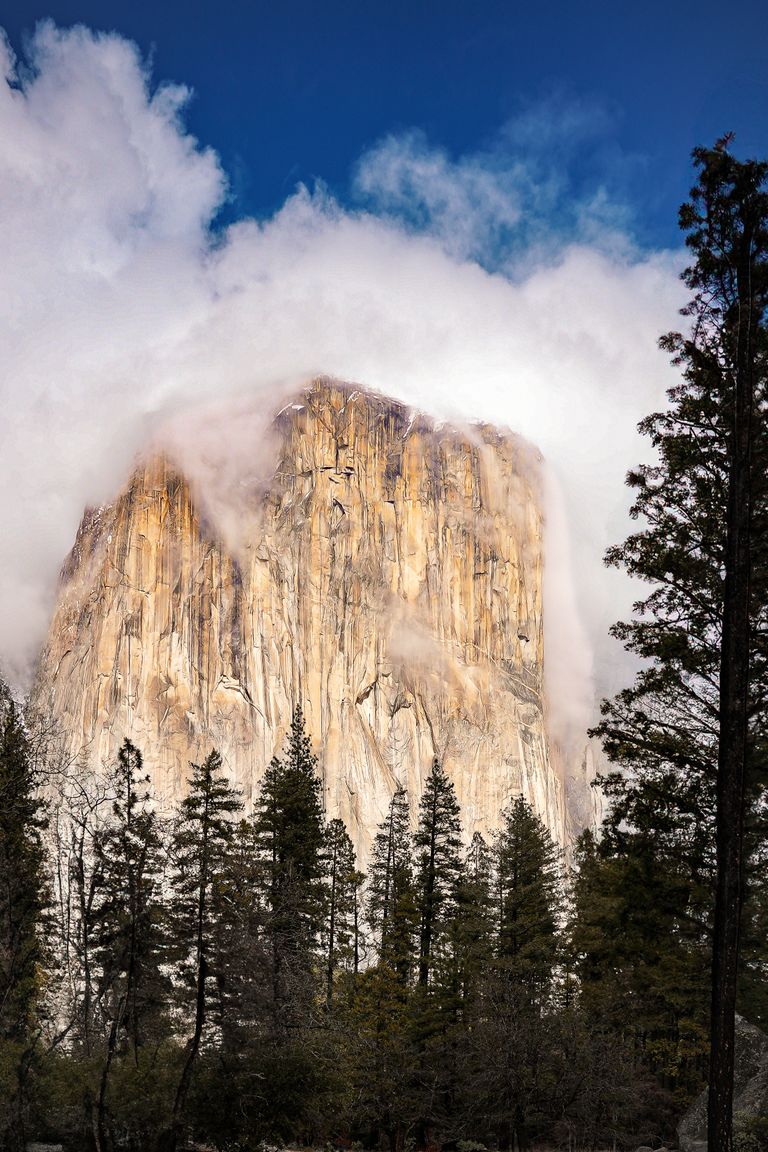
El Capitan is the undisputed icon of Yosemite rock climbing. Rising approximately 3,000 feet above the valley floor, this enormous granite monolith attracts some of the world’s most accomplished climbers.
The wall became internationally famous during the development of big-wall climbing, particularly after the first ascent of The Nose in 1958. Since then, El Capitan has remained a symbol of determination, technical skill, and adventure.
Among its legendary routes are The Nose, Salathé Wall, and Freerider. These routes demand extensive climbing experience, careful preparation, and highly developed technical skills. Even experienced recreational climbers should treat El Capitan as a serious undertaking.
Fortunately, enjoying this extraordinary landmark does not require climbing it. El Capitan Meadow offers one of the best places to admire the wall from below, and visitors can often spot climbers moving across the granite with binoculars.
For travelers fascinated by climbing history, an especially memorable option is a guided walk beneath El Capitan, where you can learn how climbers tackle the wall and discover the remarkable stories behind its most famous ascents. We’ve included a recommended El Capitan experience in the tours section at the bottom of this guide.
Yosemite Valley: Classic Granite Climbing
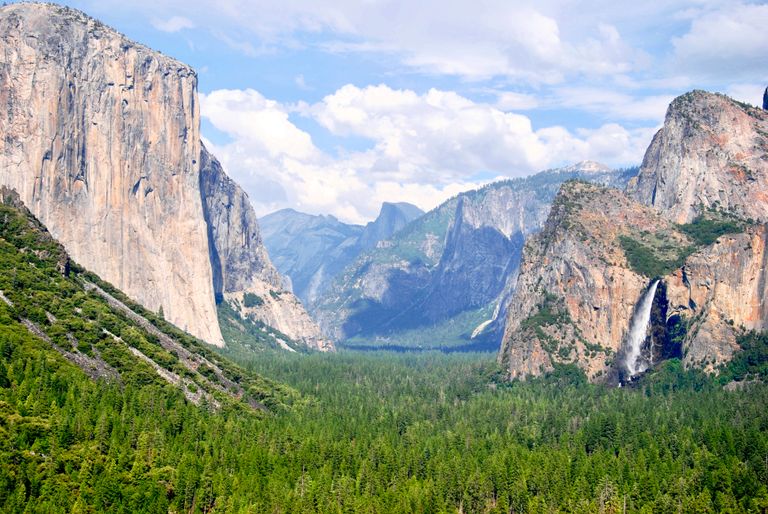
Yosemite Valley is the heart of the park’s climbing culture. Many classic routes are accessible from the valley floor, making it a convenient base for visitors staying in nearby campgrounds or lodging.
The climbing here is incredibly varied. Shorter cracks provide opportunities to practice technical movements, while longer multi-pitch routes offer outstanding views across the valley. Several areas also have routes suitable for climbers building their traditional climbing experience.
The granite can be demanding, especially for those accustomed to indoor gyms or bolted sport routes. Yosemite’s cracks require specialized techniques, and even moderate grades can feel challenging without previous crack climbing experience.
It’s worth dedicating your first day to shorter routes and becoming familiar with the rock before attempting a major climb.
Royal Arches: A Classic Yosemite Multi-Pitch Adventure
Royal Arches is one of Yosemite Valley’s best-known moderate multi-pitch climbing destinations. The long route follows an impressive series of cracks, corners, ledges, and slabs beneath the towering cliffs near Yosemite Falls.
Although the individual climbing moves are relatively moderate by Yosemite standards, the route’s overall length and complicated descent make it a serious adventure.
Climbers need efficient rope management, solid route-finding abilities, appropriate protection, and enough daylight to complete the route and descend safely.
For experienced multi-pitch climbers, Royal Arches offers a memorable way to experience Yosemite’s immense scale without committing to one of its most difficult big walls.
Cathedral Rocks and Middle Cathedral Rock
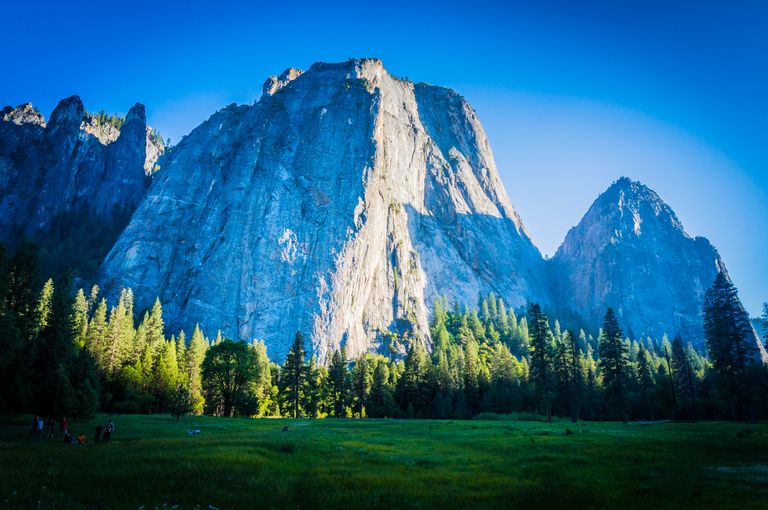
Cathedral Rocks form one of Yosemite Valley’s most striking granite landscapes. Their dramatic cliffs rise opposite El Capitan, creating a spectacular setting for experienced traditional climbers.
Middle Cathedral Rock is home to several classic climbs, including East Buttress, a well-known multi-pitch route involving crack and face climbing.
The views from these cliffs are outstanding, particularly when looking across the valley toward El Capitan. However, routes can involve exposed climbing, complex navigation, and demanding descents, so careful preparation is essential.
Tuolumne Meadows: High-Country Granite Climbing
If Yosemite Valley represents the dramatic heart of big-wall climbing, Tuolumne Meadows offers a different kind of adventure.
Located high in the Sierra Nevada, this beautiful alpine landscape is filled with granite domes, mountain lakes, open meadows, and towering peaks. During summer, it provides a cooler alternative to the valley’s intense afternoon temperatures.
Popular climbing formations include Cathedral Peak, Fairview Dome, Stately Pleasure Dome, and Medlicott Dome. Climbers will find cracks, friction slabs, exposed faces, and long multi-pitch routes in a spectacular mountain environment.
Cathedral Peak is particularly famous for its Southeast Buttress, a classic alpine rock climb that combines moderate climbing with an unforgettable summit setting.
Visitors should remember that Tuolumne is a high-elevation destination. Afternoon thunderstorms, changing weather, and altitude can affect even experienced climbers. Always check Tioga Road access before traveling to the area.
Is Yosemite Rock Climbing Good for Beginners?
Yes, beginners can enjoy rock climbing in Yosemite, but the experience requires realistic expectations and careful route selection.
Yosemite is famous for traditional climbing rather than extensive networks of closely spaced sport bolts. This means many routes require climbers to place their own protection, build anchors, and manage technical systems that are not usually taught in an indoor climbing gym.
If you’re new to outdoor climbing, taking a lesson with an authorized climbing guide is one of the best ways to experience Yosemite safely. Professional instruction can introduce you to basic movement techniques, crack climbing, equipment, rope systems, and appropriate routes.
Climbers who already have indoor or sport-climbing experience may still benefit from instruction, especially when transitioning to granite cracks.
For first-time visitors, the goal shouldn’t be to climb the hardest possible route. It should be to enjoy Yosemite, develop confidence, learn new skills, and experience some of the most beautiful climbing scenery in the world.
Yosemite Rock Climbing Grades and Difficulty
One of the biggest surprises for visitors is how challenging Yosemite’s traditional climbing grades can feel.
Most technical rock climbs in Yosemite use the Yosemite Decimal System, with climbing grades beginning at 5.0 and increasing through progressively harder levels. A route rated 5.7 or 5.8 may sound manageable to someone familiar with indoor climbing, but its difficulty depends heavily on the climbing style.
A sustained hand crack can require completely different techniques from a similarly graded indoor wall. Finger cracks, offwidths, slippery slabs, and chimneys introduce additional challenges.
Long routes also require physical endurance, efficient rope systems, route-finding skills, and a safe descent plan.
If this is your first climbing trip to Yosemite, choose routes comfortably below your usual technical limit until you understand how the granite and grades feel.
Essential Rock Climbing Gear for Yosemite
Packing the right climbing gear is an important part of planning your Yosemite adventure. Traditional climbing requires equipment that differs from a typical indoor climbing setup, and multi-pitch routes may require additional protection, ropes, layers, food, and emergency supplies.
Your exact equipment should always be selected for the route and checked by someone with the appropriate climbing knowledge. The following items are useful starting points for building a climbing packing list.
Climbing Harness
A comfortable, properly fitted climbing harness is one of the most important pieces of technical equipment. For longer Yosemite routes, comfort matters because you may spend extended periods hanging at belay stations.
The Mammut Women’s Ophir Slide Climbing Harness is one option to research when comparing climbing-specific harnesses. Be sure to confirm the correct size, manufacturer instructions, current safety certification, and suitability for your intended climbing activity.
Locking Carabiners
Locking carabiners are essential components in many climbing and rope-management systems. Depending on the route and setup, they may be used with belay devices, anchors, and other climbing equipment.
You can explore these locking climbing carabiners on Amazon. Before purchasing, verify that the specific model has appropriate recognized climbing-equipment certification, suitable strength ratings, and manufacturer documentation. Never use general-purpose accessory carabiners for life-safety applications.
Climbing Chalk
Chalk can help manage sweaty hands during technical climbing, particularly in warm weather or on demanding cracks.
The Gibson gymnastics and climbing chalk is one option to consider. Use chalk sparingly, respect local climbing etiquette, and avoid leaving excessive residue on the rock.
Chalk Bag
A chalk bag keeps chalk accessible while climbing and is a convenient addition to a harness or bouldering setup.
You can browse this rock climbing chalk bag as an option for your climbing kit. Look for a secure closure, comfortable attachment, and a size that suits your needs.
Climbing Finger Tape
Yosemite’s rough granite cracks can be tough on your hands, particularly if you’re new to crack climbing. Finger tape is a useful item to carry for protecting vulnerable skin and managing minor abrasions.
Friction Labs Athletic Finger Tape is an option worth considering when preparing your Yosemite climbing accessories.
Tape isn’t a substitute for good technique, and you should never rely on it to make an injured finger safe to climb on.
Other Equipment Worth Packing
Depending on your climbing objectives, you may also need:
- A certified climbing helmet
- Appropriately sized climbing shoes
- Dynamic climbing rope
- Cams, nuts, and protection equipment
- Belay and rappel devices
- Slings and climbing-rated carabiners
- Approach shoes with reliable traction
- A headlamp with extra batteries
- Weatherproof layers and sun protection
- Plenty of water and high-energy snacks
- A first-aid kit and navigation resources
Yosemite big-wall climbing requires more specialized equipment than ordinary single-pitch climbing. Climbers preparing for these routes should have the necessary technical training before selecting or using advanced systems.
Where to Stay for Yosemite Rock Climbing
Finding the right accommodation is one of the most important parts of planning a Yosemite climbing trip, particularly during the busy spring and fall seasons.
Camp 4: Yosemite’s Legendary Climber Campground
No campground in Yosemite has a stronger connection to climbing history than Camp 4.
Located near Yosemite Falls, Camp 4 became a legendary gathering place for climbers during the development of Yosemite’s big-wall climbing culture. Its history is deeply intertwined with the pioneering climbers who established some of the park’s most famous routes.
Today, Camp 4 remains popular with visitors who want to immerse themselves in Yosemite’s climbing atmosphere. Shared tent campsites create opportunities to meet other climbers, exchange route information, and experience a remarkable piece of climbing history.
For the 2026 season, reservations are required from April 15 through November 29, with campsites released one week before arrival. The listed fee is $10 per person per night. At other times, the campground generally operates on a first-come, first-served basis.
Check the official Camp 4 information before making plans, since operating details can change.
Other Campgrounds in Yosemite
Upper Pines, Lower Pines, and North Pines are popular camping choices in Yosemite Valley. They offer a more traditional national park camping experience while keeping visitors close to many major sights and climbing areas.
Other campgrounds, including Hodgdon Meadow, Crane Flat, and Tuolumne Meadows, may be useful depending on your climbing plans and the season.
Camping reservations can be competitive, particularly during summer and on fall weekends. It’s wise to organize accommodation before finalizing the rest of your itinerary.
Hotels and Lodging Near Yosemite
If camping isn’t your style, Yosemite Valley and nearby gateway communities offer a range of lodging options.
Yosemite Valley Lodge is a convenient choice for visitors hoping to remain close to major sights without camping. Curry Village offers various accommodation options, while Yosemite View Lodge near El Portal provides another base outside the park boundary.
Mariposa, Oakhurst, and Groveland also offer hotels, vacation rentals, and restaurants. These towns can work well for travelers combining rock climbing with sightseeing, although driving times to Yosemite Valley are longer.
Getting to Yosemite National Park
Yosemite National Park is located in the Sierra Nevada mountains of central California. The closest convenient airport depends on where you’re traveling from and which section of the park you plan to visit.
Fresno Yosemite International Airport is a popular option for visitors approaching from the south. San Francisco, Oakland, and Sacramento are also common arrival points, particularly for travelers combining Yosemite with a larger California road trip.
A rental car provides the greatest flexibility for reaching climbing areas, campgrounds, trailheads, and nearby towns. However, traffic and parking can be challenging during busy periods, especially inside Yosemite Valley.
Once you’re in the valley, the free Yosemite shuttle system, walking trails, and bicycles can make exploring easier.
For climbing trips, it’s worth researching the actual approach to your route. Some cliffs are relatively close to roads or established trails, while others require substantial hiking or scrambling.
Yosemite Rock Climbing Permits and Park Rules
Most recreational day climbing in Yosemite does not require a separate climbing permit. However, climbers planning overnight big-wall ascents must obtain a wilderness climbing permit.
The National Park Service currently provides overnight climbing permits through free self-registration, without a quota. Climbers should confirm current requirements before their trip.
Yosemite can also temporarily close climbing routes to protect nesting peregrine falcons and golden eagles. These wildlife protection measures are important for preserving the park’s natural environment.
Before traveling, consult the official National Park Service information on climbing permits, climbing closures, and park entrance reservations.
For 2026, the park does not require an advance vehicle entrance reservation, although entrance fees and separate camping, lodging, or activity requirements still apply.
Yosemite Rock Climbing Safety Tips
Yosemite’s immense granite walls are breathtaking, but they demand respect.
Unlike indoor climbing facilities, natural climbing environments are affected by changing weather, loose rock, unexpected hazards, and complex terrain. Even moderate climbs can become difficult when a route is long or the descent is unfamiliar.
Always review the full route description, including the approach and descent. Carry adequate water, layers, a headlamp, and appropriate emergency supplies. Don’t assume reliable cellphone coverage.
Climbing helmets are strongly recommended, and climbers should thoroughly understand their equipment and technical systems before leaving the ground.
It’s also important to consider Yosemite’s wildlife and environmental regulations. Food must be stored properly to protect bears, and climbers on long routes must comply with the park’s waste-management requirements.
The most rewarding climbing adventures are those where everyone returns safely with incredible stories to share.
More Things to Do in Yosemite Beyond Rock Climbing
One of the best reasons to spend several days in Yosemite is that there is so much to experience beyond the climbing routes.
Even dedicated climbers benefit from taking a rest day to explore the valley, enjoy the scenery, and discover the incredible natural landmarks that make Yosemite one of America’s most beloved national parks.
Visit Yosemite Falls
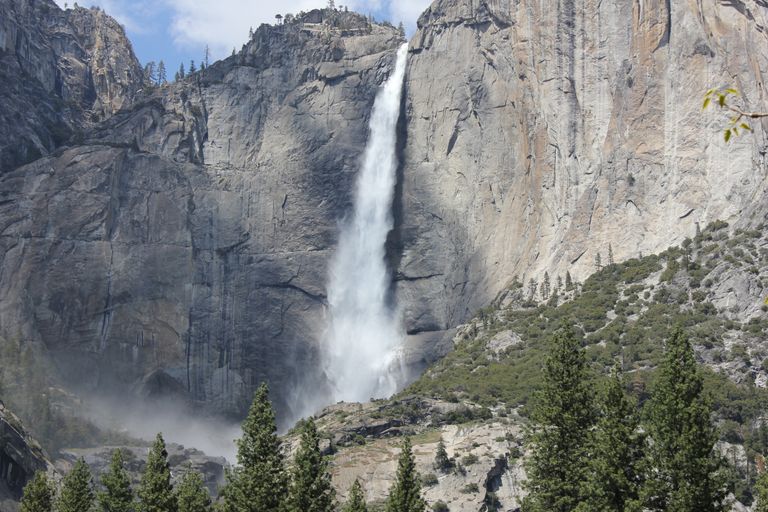
Yosemite Falls is among the tallest waterfalls in North America, and it is especially impressive during spring when snowmelt increases the water flow.
The easy Lower Yosemite Fall trail offers a wonderful opportunity to enjoy the scenery without committing to a strenuous hike. More ambitious visitors can explore longer trails leading toward higher viewpoints when conditions permit.
Watch Sunset at Tunnel View
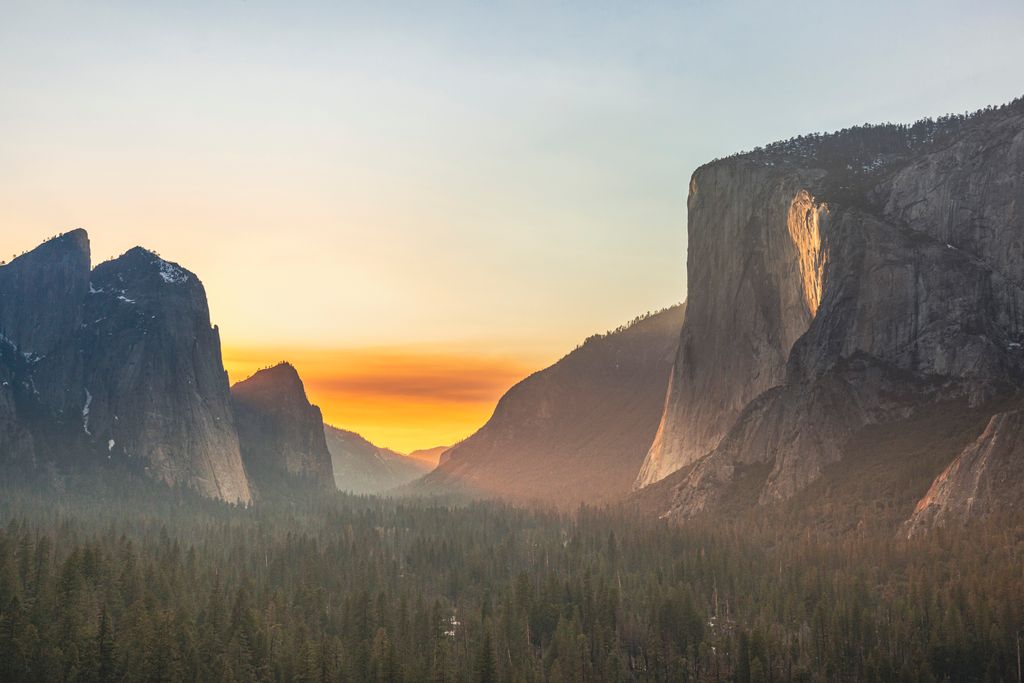
Tunnel View is one of the most famous overlooks in the United States, and for good reason.
From this viewpoint, El Capitan rises on one side of Yosemite Valley while Bridalveil Fall cascades down the opposite cliffs. Half Dome appears in the distance, completing a spectacular mountain panorama.
The view is beautiful throughout the day, but late afternoon and sunset can bring especially dramatic light across the granite walls.
Explore Mariposa Grove
Yosemite isn’t only famous for granite cliffs. The park is also home to magnificent giant sequoia trees, some of the largest living organisms on Earth.
Mariposa Grove provides a beautiful contrast to the dramatic climbing areas, with peaceful trails winding among enormous ancient trees.
It’s an excellent activity for families, photographers, and travelers looking for a more relaxed day in nature.
Go Hiking in Yosemite’s High Country
When Tioga Road is open, the high country surrounding Tuolumne Meadows provides outstanding hiking opportunities.
Alpine meadows, granite peaks, and clear mountain lakes make this area particularly appealing during summer. Trails toward places such as Mono Pass offer beautiful views and a quieter mountain experience compared with some of Yosemite Valley’s busiest attractions.
A Five-Day Yosemite Rock Climbing Itinerary
Five days gives you a wonderful introduction to Yosemite’s climbing culture while allowing time to experience the park’s famous scenery.
Day 1 – Arrive and Explore Yosemite Valley. Settle into your campground or accommodation, drive through Yosemite Valley, and enjoy your first views of El Capitan. Stop at Tunnel View, walk around Yosemite Falls, and spend the evening watching the sunset over the granite cliffs.
Day 2 – Your First Yosemite Climbing Day. Begin with shorter routes suitable for your experience level, or arrange professional instruction if you’re new to outdoor climbing. Spend the day developing your technique and getting comfortable on Yosemite granite.
Day 3 – Discover El Capitan. Dedicate the day to Yosemite’s most famous wall. Experienced climbers may choose an appropriate established climbing objective, while visitors who prefer a guided experience can explore the base of El Capitan and learn about the history of its remarkable ascents.
Day 4 – Explore the High Country. During summer, consider visiting Tuolumne Meadows for alpine climbing or scenic hiking. If Tioga Road is closed, spend the day exploring Yosemite Valley, photographing waterfalls, or visiting another accessible area of the park.
Day 5 – One Last Adventure. Enjoy another climbing session, choose a scenic hike, or visit Mariposa Grove before leaving Yosemite. Build extra travel time into your schedule, especially during busy weekends.
Yosemite Rock Climbing FAQs
Is Yosemite the best place for rock climbing?
Yosemite is widely considered one of the world’s premier rock climbing destinations, especially for traditional crack climbing and big-wall routes. Its combination of granite, climbing history, spectacular scenery, and famous routes makes it an exceptional destination.
What is the most famous rock climb in Yosemite?
The Nose on El Capitan is arguably the most famous rock climbing route in Yosemite. First climbed in 1958, it remains an iconic big-wall objective that attracts experienced climbers from around the world.
Can beginners go rock climbing in Yosemite?
Yes. Beginners can take professionally guided climbing lessons and learn basic techniques on suitable terrain. However, many of Yosemite’s famous routes require advanced traditional climbing and multi-pitch experience.
How much does it cost to rock climb in Yosemite?
Costs depend on whether you’re climbing independently or booking professional instruction. Independent climbers typically pay for park entry, accommodation, travel, and equipment. Guided climbing experiences have additional fees that vary according to the operator, duration, and type of activity.
Do you need a permit to climb El Capitan?
A wilderness climbing permit is required for overnight big-wall climbs on El Capitan. Ordinary day climbing generally does not require a separate climbing permit, but all climbers must follow applicable park regulations.
Where is the best place to stay for Yosemite climbing?
Camp 4 is one of the most popular accommodations for climbers because of its history and convenient Yosemite Valley location. Yosemite Valley Lodge, Curry Village, and nearby campgrounds are other options worth considering.
Can you visit El Capitan without rock climbing?
Absolutely. El Capitan is one of Yosemite’s most accessible and impressive natural landmarks. Visitors can admire the wall from El Capitan Meadow, photograph it from scenic viewpoints, or join a guided walking experience focused on Yosemite’s climbing history.
Final Thoughts: Why Yosemite Belongs on Every Climber’s Travel List
Yosemite is one of those rare places that exceeds expectations, even when you’ve spent years looking at photographs of its towering cliffs.
Standing beneath El Capitan, watching tiny figures make their way up the enormous granite wall, creates an entirely new appreciation for the determination and skill involved in big-wall climbing. Walking through Camp 4 brings you close to the history of the sport, while exploring the valley reveals beautiful scenery around almost every corner.
For experienced climbers, Yosemite offers a lifetime of routes and challenges. For beginners, it provides an inspiring place to learn. And for travelers who simply love adventure, the park’s climbing culture adds another fascinating dimension to an already extraordinary destination.
Whether your perfect Yosemite trip involves climbing granite cracks, exploring alpine meadows, photographing waterfalls, or learning the stories behind El Capitan, this is a place you’ll remember long after returning home.
Best Yosemite Tours and Experiences to Book
Yosemite is spectacular to explore independently, but a guided experience can add another dimension to your visit. Knowledgeable local guides can introduce you to hidden details, explain the park’s remarkable history, and help you make the most of limited travel time.
These selected tours offer a variety of experiences, from exploring El Capitan’s climbing legacy to discovering the landscapes of Yosemite Valley and the Sierra Nevada. Tour availability, itineraries, and seasonal conditions may vary, so check the booking details before reserving.
Featured Experience: El Capitan – A Rock Climber’s Odyssey Private Tour
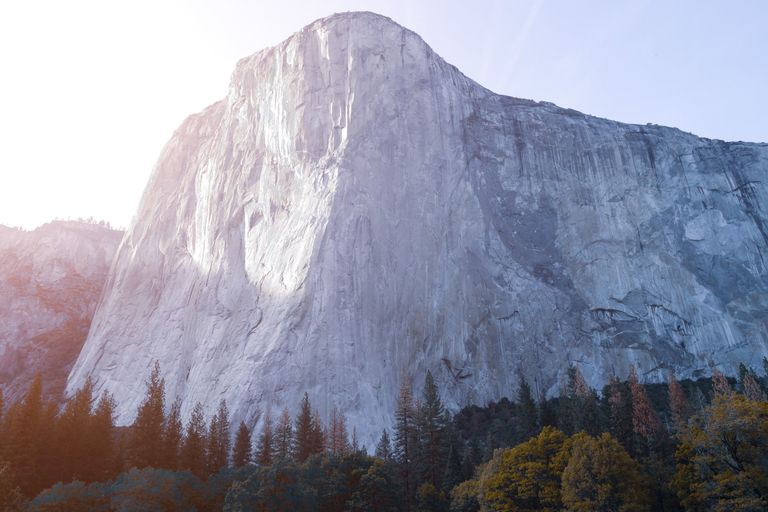
For anyone fascinated by Yosemite rock climbing, El Capitan: A Rock Climber’s Odyssey is the standout experience in this guide.
This guided walking experience introduces visitors to the incredible history and challenges of climbing El Capitan. With a knowledgeable guide, you’ll learn about the techniques and equipment climbers use to ascend the enormous wall, along with the stories of legendary figures such as Warren Harding and Alex Honnold.
The experience includes a short hike toward the base of El Capitan, offering a much closer perspective of the granite face that has inspired climbers for generations.
It’s an especially appealing choice for visitors who want to experience Yosemite’s legendary climbing culture without undertaking a technical ascent themselves. This is a guided hiking and climbing-history experience, not a hands-on rock climbing lesson.
Explore El Capitan: A Rock Climber’s Odyssey Private Tour on Viator →
Yosemite in a Day Tour from San Francisco
If you’re visiting San Francisco and want to experience Yosemite without planning a separate road trip, a full-day guided excursion can be a convenient option.
This tour offers the opportunity to leave the city behind and discover Yosemite’s magnificent landscapes, with the itinerary and stops determined by the selected tour.
Explore the Yosemite in a Day Tour from San Francisco →
Yosemite Winter Small-Group Highlights Tour
Yosemite takes on an entirely different personality in winter. Snow-covered forests, peaceful trails, and granite cliffs dusted with snow make the park especially beautiful for photography and sightseeing.
A guided winter highlights tour can be a wonderful way to explore the landscape during the quieter months while adapting to seasonal access and weather conditions.
Explore the Yosemite Winter Small-Group Highlights Tour →
Yosemite Naturalist Hike to Mono Pass
For travelers who love mountain scenery, hiking, and the natural history of the Sierra Nevada, a guided hike toward Mono Pass offers a beautiful high-country adventure.
This is an appealing addition to a summer Yosemite itinerary, especially for visitors interested in alpine landscapes beyond Yosemite Valley. Seasonal snow and Tioga Road access can affect availability.
Explore the Yosemite Naturalist Hike to Mono Pass →
Giant Sequoia Snowshoe and Yosemite Valley Waterfalls Adventure
Combining Yosemite’s magnificent forests with its famous valley scenery, this winter adventure is an exciting alternative for visitors who enjoy exploring the outdoors on foot.
Snowshoeing among giant sequoias brings a completely different perspective to Yosemite, while the park’s waterfalls and winter landscapes provide wonderful photographic opportunities. The exact route depends on prevailing conditions and tour details.
Explore the Giant Sequoia Snowshoe and Yosemite Valley Waterfalls Adventure →
Small-Group Yosemite Tour from San Francisco
A small-group Yosemite excursion is another convenient option for visitors staying in San Francisco who want to see the national park’s spectacular scenery without organizing transportation themselves.
It’s particularly suitable for travelers with a limited amount of time who want to experience Yosemite’s dramatic landscapes as part of a broader California vacation.
Explore the Small-Group Yosemite Tour from San Francisco →
Booking tip: If rock climbing is the main reason for your Yosemite visit, start with the El Capitan Odyssey experience to discover the park’s climbing heritage. For actual technical rock climbing instruction, book separately with a climbing guide service authorized to operate in Yosemite National Park.